Team Building Activities That Actually Engage Your Team
Finding the right team building activity is not always easy. Team building activities are designed to build connections between team members, foster team cohesion, and contribute directly to a team's success. Many companies want something that feels engaging, social, and meaningful, without becoming forced or overly structured. The challenge is not a lack of options. It’s finding activities that people genuinely enjoy and remember. The best team building activities are more than just a fun break—they help improve employee engagement and company culture by enabling teams to get to know each other better and create lasting bonds.
What Makes a Good Team Building Activity?
The most effective team building activities share a few key characteristics.
They are interactive, easy to join, and allow people to participate in a way that feels natural. Incorporating friendly competition can make activities more engaging and inclusive, encouraging everyone to participate in a relaxed, enjoyable environment. Instead of relying on presentations or structured exercises, they create an environment where collaboration happens organically.
From what we’ve seen, the best activities often include movement, shared challenges, and real interaction between participants. The most successful options are adaptable to different team sizes and can involve the whole team or entire group, ensuring everyone feels included regardless of ability or comfort level. Team building activities can take many forms, including games, learning experiences, retreats, and collaborative tasks that encourage teamwork and communication.
Team Building Exercises That Work in Practice
There are many types of team building activities, including a wide variety of team building games, office games, and fun team building activities designed to promote creativity, collaboration, and team cohesion in the workplace. From classic team games to quick team building activities that fit seamlessly into busy schedules, organizations have a range of options to energize and connect their teams.
Icebreaker games are a great way to kick off meetings or workshops, helping to set a positive tone and energize participants before diving into more serious discussions.
Some formats consistently create stronger engagement than others, and the best team building activities are those that are both engaging and purposeful.
Interactive Scavenger Hunts
A scavenger hunt for team building is one of the most effective formats for both small and large groups.
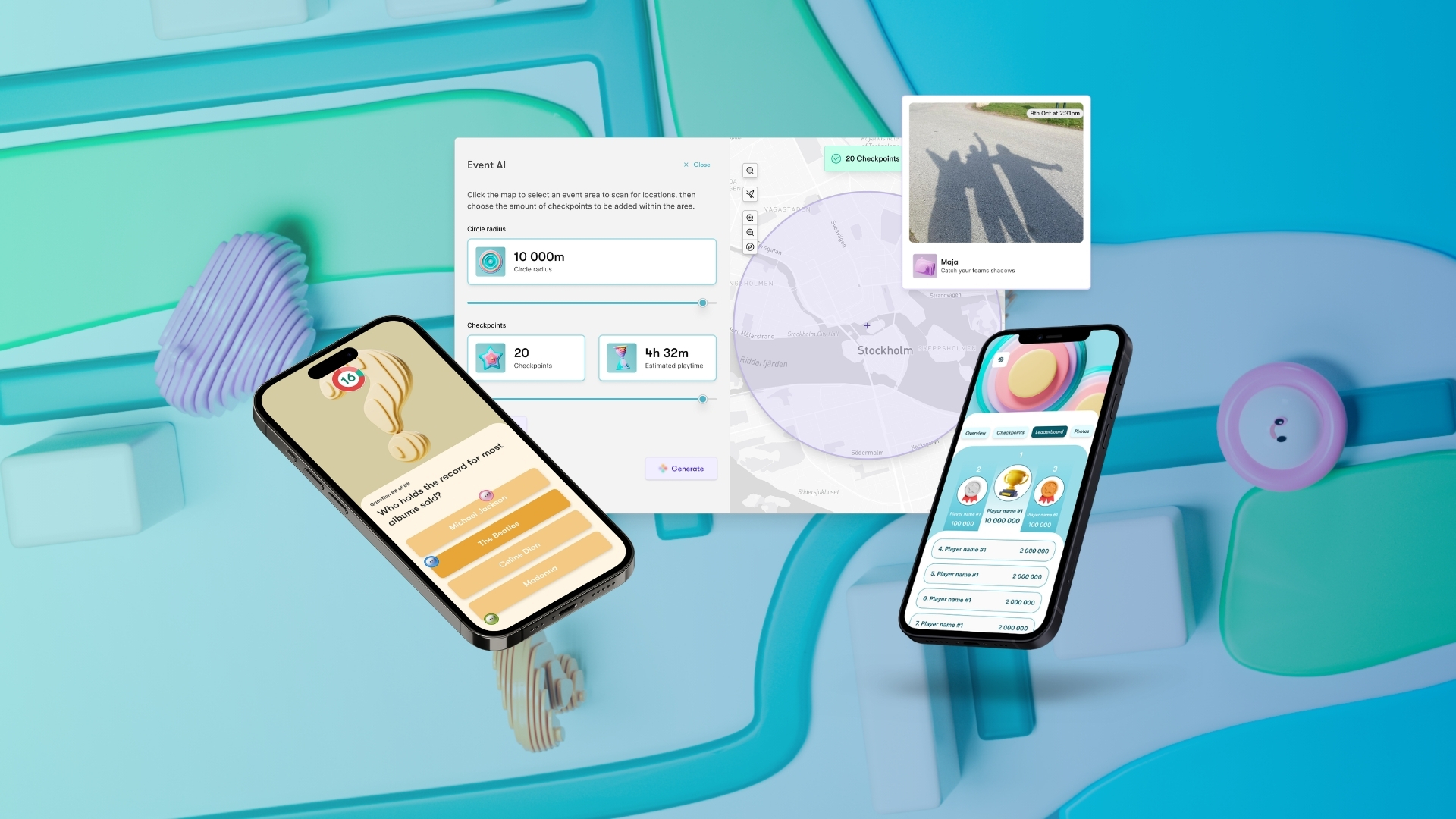
Teams move through a venue or city, completing challenges, solving tasks, and collaborating along the way. Scavenger hunts often include a time limit, which encourages teamwork, problem-solving, and engagement within a set period. To make the experience more interactive, organizers can incorporate elements like the company logo as a visual or thematic clue, or use collaborative jigsaw puzzle challenges where teams must trade or negotiate pieces to complete the puzzle.
This format works particularly well because it combines movement, teamwork, and light competition. Scavenger hunts encourage teamwork and strategizing, with teams competing to solve puzzles or find items.
Outdoor Team Challenges
Outdoor team building activities allow participants to break out of their usual environment.
These can include problem-solving exercises, exploration-based challenges, or collaborative tasks that require teams to work together in real-world settings. Many outdoor team challenges are ideal for a large group and often require strategic thinking to coordinate efforts and achieve shared goals. A popular example is the Marshmallow Challenge, where teams compete to build the tallest freestanding structure using spaghetti and a marshmallow—this activity teaches rapid prototyping, highlights the importance of testing ideas, and encourages innovation and teamwork.
The change of environment often leads to higher energy and better engagement.
Creative Group Activities
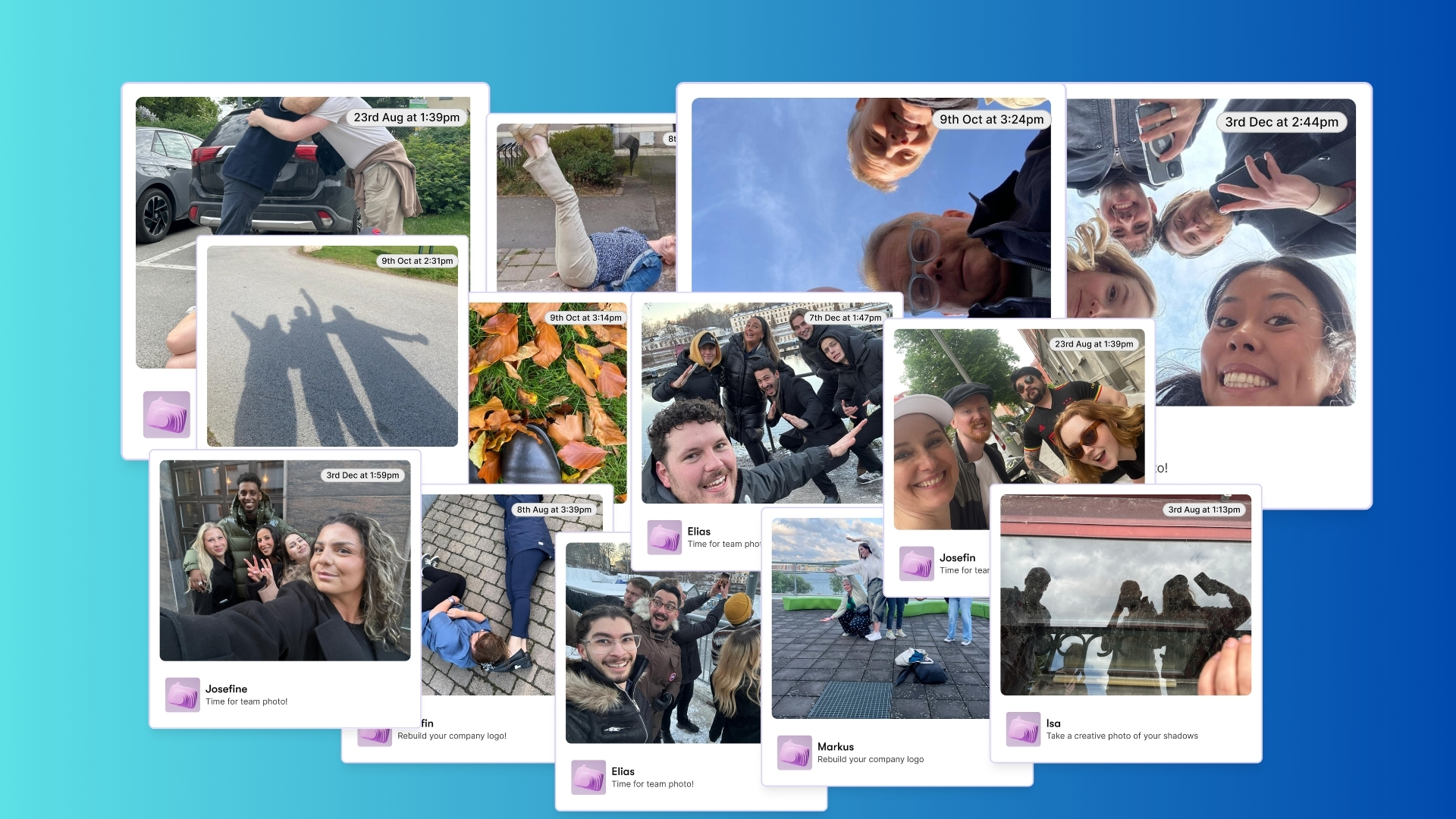
Creative activities such as photo challenges, storytelling tasks, or video-based missions can be highly effective.
These group exercises encourage creative thinking and help generate innovative ideas by prompting participants to approach problems from new perspectives. They are a great way to build team connections and can be adapted for the entire team, including remote workers and new team members, ensuring everyone feels included and engaged. These formats are especially useful for breaking the ice between departments or new teams. Collaborative problem-solving tasks and virtual coffee chats—often conducted over video call—are also effective team-building activities for hybrid or remote teams, helping to foster communication and unity regardless of physical location.
Problem-Solving Experiences
Activities that require teams to solve challenges together, whether physical or digital, tend to create strong collaboration. Problem-solving activities—such as escape rooms, the human knot, and resource allocation games—are especially effective for building team trust and team communication. These creative problem solving experiences can be organized as indoor team building games or in small groups, allowing group members and other team members to interact closely and develop stronger bonds.
The key is to design tasks that require communication and shared decision-making rather than individual performance. Problem-solving activities serve as diagnostic tools, revealing how teams communicate, collaborate, and make decisions under pressure, providing valuable insights into team dynamics and communication styles. For example, escape room challenges force immediate and constant communication among group members as they work together under pressure toward a single objective. Resource allocation games simulate real-world business challenges by giving teams clear objectives but limiting resources, requiring them to prioritize and negotiate effectively.
Exercises like the 'Blind Drawing' activity, where one team member describes an image while the other—possibly from team B—attempts to draw it while both sit back to back, highlight the importance of clear verbal instructions and active listening. Activities involving non-verbal cues, active listening, and clear communication help improve team communication and foster trust among group members. Effective team-building activities for problem solving include structured problem-solving, skill-sharing workshops, and interactive bonding exercises that engage all participants.
Team Building for Small Teams
Team building for small teams is most effective when activities are tailored to the group’s unique dynamics. With fewer team members, it’s easier to focus on exercises that encourage collaboration, creative thinking, and trust. Activities such as problem solving challenges, brainstorming sessions, or quick team building games can help small teams build strong connections and improve teamwork skills.
Small teams benefit from formats that allow everyone to participate fully, ensuring each voice is heard and valued. Whether it’s a creative project, a fun game, or a collaborative problem solving activity, the goal is to encourage collaboration and help team members develop deeper connections that support the team’s success.
Team Building for Improved Communication
Effective team building can significantly enhance communication skills within a group. Activities designed for improved communication focus on open dialogue, active listening, and clear expression of ideas. These team building exercises help team members practice communication skills in a supportive environment, making it easier to transfer those skills to day-to-day work.
Examples include structured discussion games, feedback sessions, or activities where teams must coordinate to achieve a common goal. By prioritizing communication in team building, organizations can help teams work more efficiently, resolve conflicts, and build stronger relationships.
Choosing the Right Team Building Activity
The right activity depends on your goals.
Consider team size when choosing an activity, as some exercises work best with small groups for focused collaboration, while others are ideal for larger groups to maximize engagement. If your focus is on collaboration, choose something that requires teamwork. If your goal is to energise a group, movement-based activities are often more effective.
Many activities can be done in a conference room or as part of a team event, and some only take a few minutes—making them easy to fit into a busy schedule while still fostering meaningful interaction. For remote teams, activities often prioritize digital inclusion or can be naturally split into hybrid components to ensure everyone is involved.
For larger events, it’s important to choose a format that scales and allows people to participate at their own pace.
This is where structured but flexible formats, such as scavenger hunts, tend to perform well.
Why Scavenger Hunts Stand Out
Among different team building activities, scavenger hunts consistently deliver strong results.
They create interaction without forcing it. Teams naturally collaborate, move between locations, and engage with each other in a way that feels organic. Scavenger hunts are especially effective at helping teams build team connections, fostering ongoing engagement and collaboration that strengthens relationships among team members.
At ReadySet, we’ve seen how this format works across everything from small team sessions to large corporate events. The flexibility makes it easy to adapt to different environments and group sizes. Shared music playlists and skills-sharing sessions are also great ways to encourage ongoing connection among team members, complementing the team connections built through interactive activities like scavenger hunts.
Overcoming Challenges in Team Building
Successful team building requires anticipating and addressing common challenges before they impact the experience. Obstacles such as lack of engagement, unclear objectives, or logistical issues can undermine even the best-planned team building activities.
To overcome these challenges, it’s important to choose activities that match the team’s size, interests, and goals. Clear communication about the purpose of the team building session, as well as flexibility in adapting activities to suit the group, can help ensure a positive outcome. By proactively addressing potential issues, teams can maximize the benefits of team building and create experiences that truly engage every team member.
Making Team Building More Than an Activity
The most successful team building activities are not just about filling time. They are about creating shared experiences that foster connection and collaboration. A well-designed team building exercise works by encouraging team members to share personal stories or passions, helping everyone understand each other better and strengthening group bonds.
When people move, collaborate, and solve challenges together in a team building game, the impact tends to last longer than traditional formats. These activities create a low-stakes environment where team members can practice taking risks and offering unconventional ideas, which helps build trust among them.
From Team Building to Real Engagement
Team building works best when it feels like something people want to take part in, not something they are asked to do. Team building activities are a fun way to encourage creative problem solving, planning, and collaboration, helping teams develop essential skills while enjoying the experience.
By choosing interactive, movement-driven activities, companies can create experiences that feel more natural, more engaging, and ultimately more effective. Psychological safety—the shared belief that a team is safe for interpersonal risk-taking—is the number one predictor of team effectiveness according to Google's Project Aristotle. Engaging in remote team building activities helps to create this environment, fostering team creativity and innovation.
Get started creating your own team building event here -->